記事公開日
What is a copy embedded device? Examples, features, and functions explained

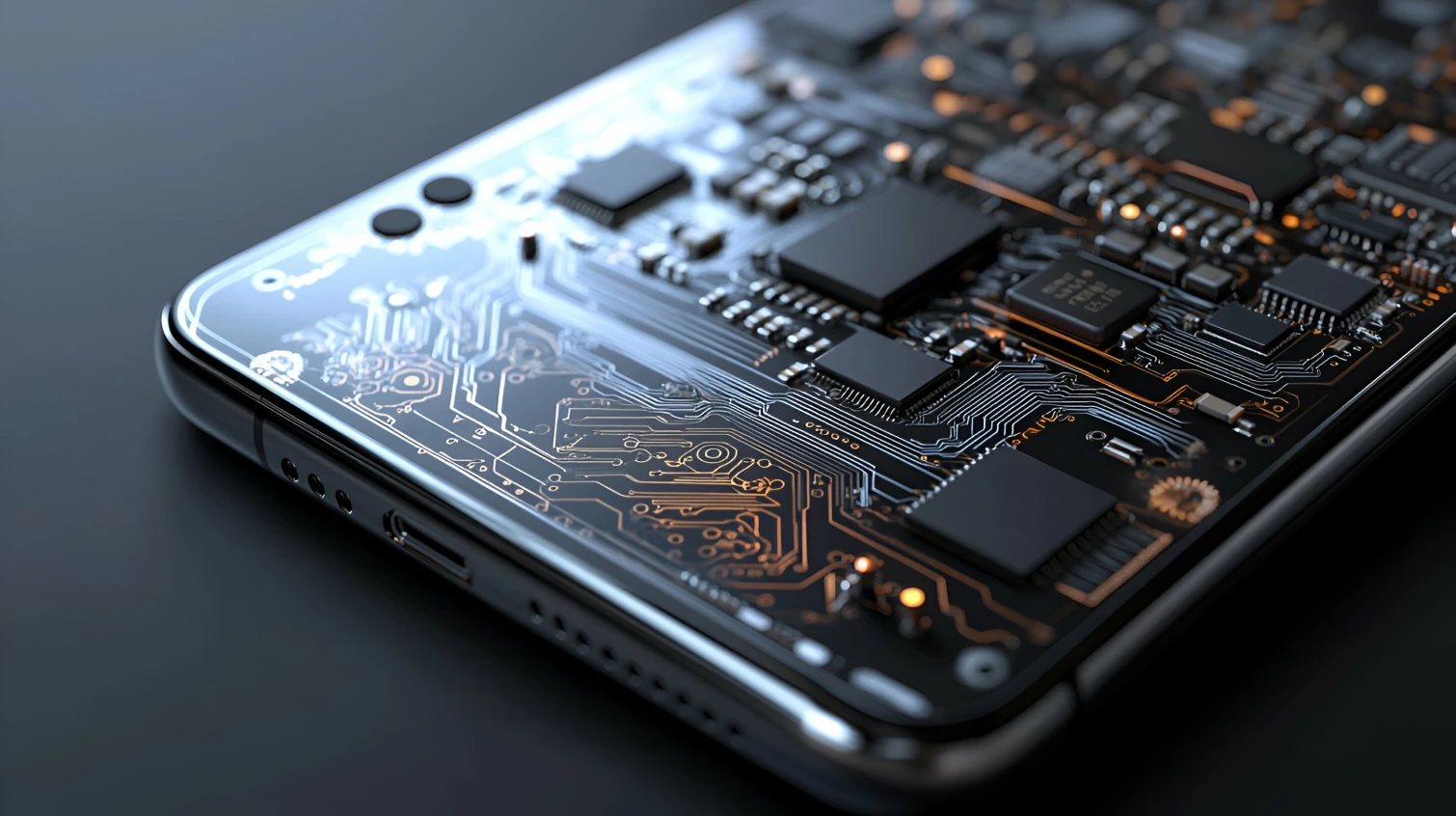
Embedded devices are indispensable in the factory equipment, home appliances, and automobiles that surround us.
However, when asked, “What exactly are embedded devices?”, many people may find it difficult to answer.
In recent years, the importance of embedded devices has grown significantly in Japan's manufacturing industry due to the advancement of IoT and automation.
For factory equipment managers in particular, acquiring the right knowledge is essential for improving operational efficiency and preventing problems.
In this article, we will provide a clear explanation of the basics of embedded devices, specific examples, their components, and related equipment such as uninterruptible power supplies (UPS).
What is an embedded device?
Embedded device features
Embedded devices are computer systems designed specifically to perform specific functions.
Unlike general-purpose computers and smartphones, these devices are specialized for specific functions and uses.
Examples include control devices installed on factory production lines, automotive brake control systems, and electronic control boards for home appliances.
The most important feature of embedded devices is that they operate stably within limited resources (CPU, memory, power, etc.).
Unlike a PC, there is no need to run multiple software programs simultaneously. Instead, it is necessary to process specified tasks quickly and accurately.
In addition, factories and infrastructure facilities often operate 24 hours a day, 365 days a year, so durability and reliability are also important factors.
Furthermore, in recent years, with the spread of IoT, the number of embedded devices with network connection functions has been increasing.
This enables smart operations such as remote monitoring and preventive maintenance, contributing significantly to improving factory productivity and efficiency.
Examples of embedded devices
Embedded devices in home appliances
Many household appliances also contain embedded devices.
Examples include air conditioner temperature control devices, washing machine operation programs, and refrigerator temperature control systems.
These devices operate according to user-set conditions based on pre-programmed controls.
Embedded devices make home appliances more efficient and convenient, leading to improved energy efficiency and enhanced automation functions.
Use in industrial machinery and infrastructure
Embedded devices play a very important role in industrial machinery and infrastructure facilities.
Examples include turbine control devices at power plants, traffic signal control systems, elevator control panels, and automatic ticket gates on railways.
These systems must operate stably for long periods of time even under harsh conditions, and therefore require high reliability and durability.
Furthermore, real-time data processing and emergency response capabilities are also essential.
Embedded devices in factory facilities
In the field of factory equipment, embedded devices are the heart of the production line.
Examples include production line control systems, robot arm control units, temperature and humidity control devices, and conveyor system control devices.
These machines contribute to the automation, streamlining, and labor reduction of production processes, as well as to the reduction of defect rates and improvement of productivity.
In addition, unexpected power outages can cause serious problems at factories, so efforts are underway to minimize the risk of sudden shutdowns by linking embedded devices with uninterruptible power supplies (UPS).
Components of embedded devices
Embedded Hardware Basics
The hardware of embedded devices is characterized by a compact and efficient structure designed to achieve specific functions.
Specifically, it consists of a CPU (central processing unit), memory, input/output interface, power supply circuit, etc.
The CPU is the heart of task processing, and since real-time processing is often required, emphasis is placed not only on processing speed but also on power consumption and stability.
Memory is used for temporary storage of programs and data processing, while input/output interfaces handle communication with various sensors and actuators.
Furthermore, it is important to install an uninterruptible power supply (UPS) in factory facilities to prepare for external power failures.
The role of embedded software
Embedded software is what drives hardware.
Its main roles include controlling equipment, collecting and processing data, and managing communication with external devices.
In some cases, an operating system is installed, while in others, the device runs on dedicated firmware.
For example, in a factory temperature control system, software analyzes data from temperature sensors and sends commands to cooling and heating devices.
This ensures stable manufacturing conditions.
In addition, software updates enable the addition of new features and bug fixes, allowing for flexible long-term operation.
Recently, with the advancement of IoT, the importance of software has increased as remote monitoring and maintenance via networks have become possible.
Functions and benefits of embedded devices
Stable operation and labor saving
One of the biggest advantages of embedded devices is that they support the stable operation of systems and equipment.
Production lines and infrastructure facilities in factories typically operate 24 hours a day, 365 days a year, but to achieve this, durability and high reliability are required.
Embedded devices are less prone to unnecessary loads due to their high degree of specialization, which reduces the incidence of problems.
It also plays a major role in labor saving, contributing to the optimization of personnel allocation and reduction of work errors by automating tasks that were previously performed manually.
In factories in particular, the use of uninterruptible power supplies (UPS) ensures that embedded devices continue to operate without interruption during power outages, maintaining stable operation.
Improved maintainability
Embedded devices also excel in terms of ease of maintenance.
For example, many models are equipped with error detection and self-diagnostic functions, enabling rapid identification of the cause when problems arise.
This minimizes downtime (operational downtime).
In addition, many of the latest embedded devices utilize IoT and network functions to enable remote monitoring and preventive maintenance.
This allows equipment managers to check the status without visiting the site, reducing maintenance man-hours and enabling planned maintenance work, which leads to improved operational efficiency throughout the factory.
Summary
Embedded devices are indispensable to our lives and industries, supporting stable operation and labor saving in factory equipment, home appliances, and infrastructure.
For factory equipment managers in particular, understanding embedded devices is the key to improving operations and productivity.
In addition, installing an uninterruptible power supply (UPS) to prepare for unexpected power outages is an effective way to increase the reliability of the entire facility.
With the continued advancement of IoT and AI, the role of embedded devices is expected to expand even further in the future.
We encourage you to take this opportunity to review your company's equipment and facilities and consider how to utilize the latest technologies.